

20-Hour Trauma Center Trauma Sensitive Yoga (TCTSY) Teacher Training
April 16 – 18, 2027
Presented by The Center for Trauma & Embodiment
Hosted at Revolution Community Yoga • Acton, Mass.
Lead by Anna Kharaz, LMHC, TCTSY-F & Emily Lapolice, LICSW, TCTSY-F
Training Hours Include:
• 15 In-Person Hours at The RCY Loft in Acton, MA
• 5 Self-Study Hours
$375 Early Bird Registration / $450 after March 16th, 2027
10 people must register by March 16th, 2027 in order for the training to run; maximum class size is 18.
Trauma Center Trauma Sensitive Yoga (TCTSY) is the first yoga-based empirically validated, clinical intervention for complex trauma or chronic, treatment-resistant post-traumatic stress disorder (PTSD).

This is a 20-hour introduction to the core concepts and applications of Trauma Center Trauma Sensitive Yoga (TCTSY). Designed for yoga teachers, mental health professionals, educators, somatic practitioners, and other trauma-care specialists.
A program of the Center for Trauma and Embodiment (CFTE), it is the only yoga model of its kind to have met the criteria for inclusion in the US-based National Registry of Evidenced-based Programs and Policies (NREPP) database published by the Substance Abuse and Mental Health Services Administration (SAMHSA).
Designed for anyone interested in deepening their understanding of the whole-system impact of complex trauma (both systemic and interpersonal), this training will review the significant effects of trauma on the brain, body, and relationships, as well as the psychological and neuroscientific underpinnings of the TCTSY model. Participants may include, but are not limited to, yoga instructors, social workers, mental health clinicians, educators, activists, somatic practitioners and healers, or other health care professionals, as its applications can extend far beyond the yoga mat.
Experiential in design, participants will gain specific tools to both practice and facilitate trauma-sensitive movement and breath practices vital to the healing process of complex trauma. This training is intended to support participants in expanding their current clinical or movement-based practice to incorporate some of the TCTSY methodology, focusing on movements and language that actively share power and agency with practitioners.
While the Foundational Training does not qualify participants to facilitate Trauma Center Trauma Sensitive Yoga, it does provide the foundations for making your current scope of practice more trauma-informed. There are NO prerequisites to attend this training. This training can stand alone as a general framework to apply within diverse contexts(clinical, medical, educational, humanitarian, personal inquiry, daily life, etc.). This training is also the primary prerequisite to the yearly 300-hour Certification Program in TCTSY.
ALL. ARE. WELCOME.
TRAINING DAYS & TIMES
- Friday 4/16/2027: 6-9pm EST in-person
- Saturday 4/17/2027: 9am-5pm EST in-person (includes 1 hour lunch break)
- Sunday 4/18/2027: 9am-3pm EST in-person (includes 1 hour lunch break)
- The program includes 5 self-study hours to be completed at your own pace and time.
- We will also hold an optional 1-hour virtual integration session following the program. This session will not be recorded and details will be determined by group survey.
In-person hours will take place at Revolution Community Yoga at the RCY Loft located at 541 Massachusetts Avenue, Acton, MA 01720 . Plenty of free parking. Location information: https://yogaacton.com/contact/.
REGISTRATION
$375 Early Bird Registration / $450 after March 16th, 2027
10 people must register by March 16th, 2027 in order for the training to run
INSTRUCTORS

Anna Kharaz, LMHC, TCTSY-F
I’m Anna (pronounced AH-NAH), licensed counselor, certified trauma sensitive yoga facilitator and trainer, and EMDR therapist. My work centers around the belief that we humans are each capable of living full and vibrant lives but also that we aren’t meant to build those alone.
My clinical practice is inspired by studying a variety of different therapy styles and over two decades of engaging in contemplative and meditation practices, as well as yoga and dance. I am trained in Eye Movement Desensitization and Reprocessing (EMDR) therapy, Emotionally Focused Therapy, Polyvagal Theory, Internal Family Systems, and Relational Cultural Theory.
My therapeutic approach is heavily influenced by my clinical and research work experiences at the National Institutes of Health, Veterans Administration Hospital (JP), Boston Medical Center, The Trauma Center, Boston Neurofeedback Center, Prospect Hill Academy, Bromsgrove International School Thailand, and the Center for Trauma and Embodiment. Each supervisor, colleague and client I have worked with over the years has impacted how I show up today. Additionally, my own life experiences, including growing up as a child immigrant facing social and systemic challenges, originally inspired me to become a therapist and continue to inform my approach as a clinician.
I split my time between my virtual private practice supporting individuals and couples and working as a clinician and supervisor at Salem State University’s counseling center. I also facilitate local and international trainings and workshops on trauma sensitive yoga, embodiment, and trauma-informed care.
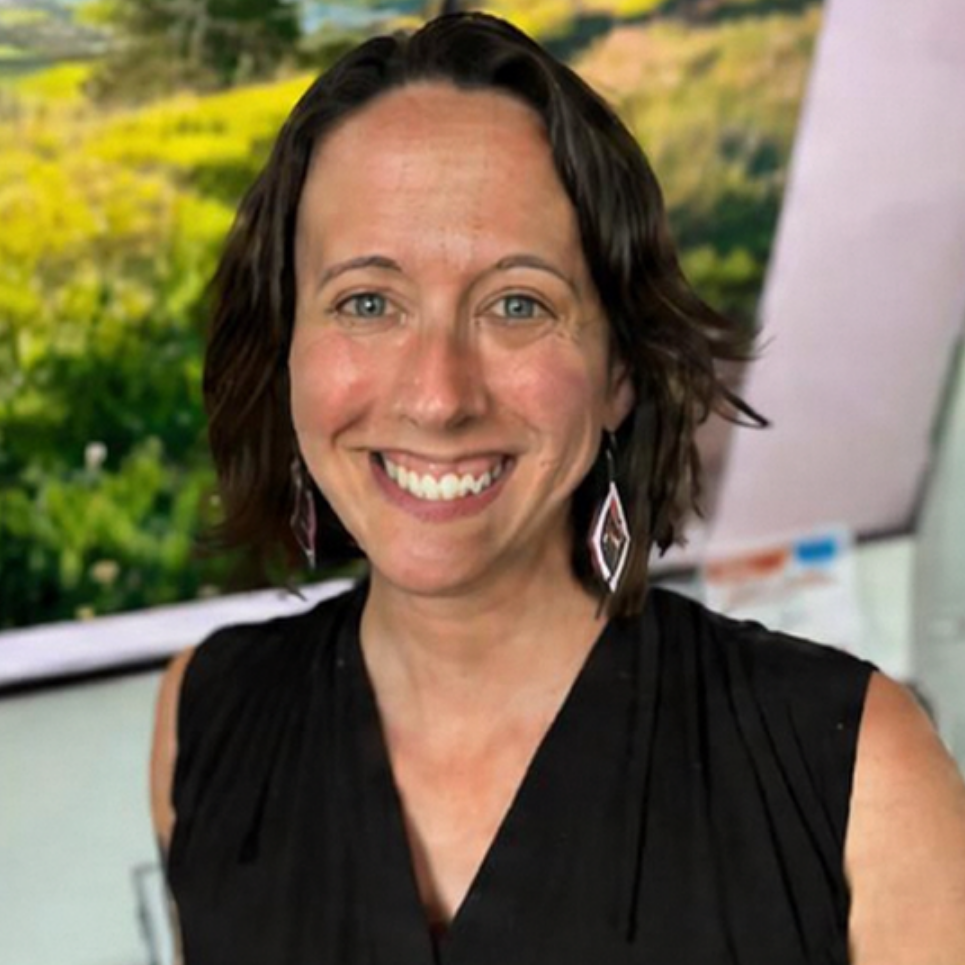
Emily Lapolice, LICSW, TCTSY-F
Emily Lapolice is a Licensed Independent Clinical Social Worker (LICSW), Trauma Center Trauma Sensitive Yoga Facilitator (TCTSY-F), author, educator, and faculty member at the Center for Trauma and Embodiment at JRI. She has been a psychotherapist for nearly 2 decades, specializing in complex trauma, perinatal mental health, and embodiment practices.
Over the past 20 years, Emily has worked in New York City and Boston based hospital, school, and other mental health settings with a diverse group of immigrants, refugees, and other marginalized populations impacted by trauma and oppression.
Emily has Indigenous ancestral heritage with the Mi’kmaq and Huron First Nations tribes of what is now known as Nova Scotia and Southern Ontario, Canada; and the Seminole tribe of what is now known as Florida, United States. She holds great reverence to the Indigenous teachings and Ways of Being that have been gifted to her, and is deeply committed to understanding the pervasive impacts of colonization, and the neocolonial systems and structures that continue today.
Emily is continually exploring ways to engage individual and collective healing efforts of Self, Body and Land, and to de-colonize the healing process with the individuals and communities she works with.
She is also a mother to two young boys, and lives on the traditional unceded lands of the Massuchett People and the Pawtucket Tribe in what is now known as Arlington, MA outside Boston, where she maintains a small private practice.